The Bondi Intelligence Failure
How an unchecked surge in anti-Jewish hate and a massive security failure culminated in Australia's deadliest terror attack


In a now-viral video from Bankstown hospital, two nurses were seen bragging about refusing to treat Israeli patients and threatening to kill them (with a gesture of slitting the throat) and “send them to hell”. In the investigation that followed, police found morphine in one of the nurse’s personal locker. In a country that prides itself on its inclusivity and rule of law, seeing two government employees making violent racially-motivated threats with no fear and their faces showing should have sent alarm bells ringing across Australia. Instead, the divided reaction the incident received was as appalling as the incident itself.
Far from being universally and unanimously condemned, the incident received a shockingly mixed response. Following the nurses’ suspension, several prominent individuals and organizations came to the nurses’ defense, claiming that they were being unfairly targeted. Senator Fatima Payman (now suspended from the Labour Party) described the response to the incident as “selective outrage” and “disproportionate”. In another case of deflection and whataboutism, a coalition of Islamic groups maintained that the nurses were the victims of “double standards”, asking why the war in Gaza had not received the same level of outrage.
The disgraced nurses’ actions were merely one of thousands of hate-motivated incidents that Australia saw since the war in the Middle East broke out. Following the October 7 attacks, Australia saw a 316% rise in anti-Jewish hate incidents, culminating in the Bondi tragedy.
The Bondi massacre and the events leading up to it have underscored a deeply uncomfortable truth: the terror attack did not come out of a vacuum. By ignoring glaring and terrifying warning signs — a rise in violent hate crimes, firebombing of synagogues, a foiled plot to blow up a synagogue, mass doxing of Jewish citizens, normalization of hate in public discourse, and a massive intelligence failure — Australia failed to prevent a preventable tragedy.
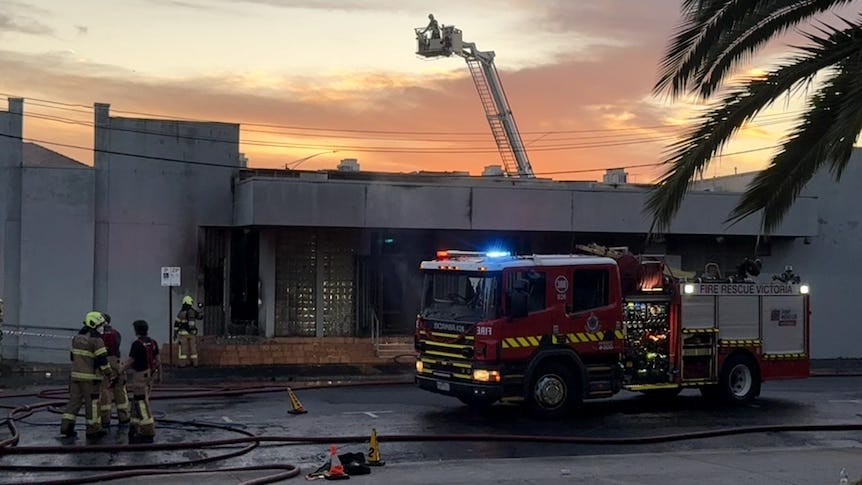
Intelligence Failure: Imminent Threats Ignored
The Bondi shooters — Naveed Akram and his father — first became known to Australian intelligence in 2019. An undercover agent (codenamed Marcus) reported the father-son duo for being radicalised, cautioning that they were IS supporters. Despite being a firsthand inside source who was in regular contact with the would-be shooters, ASIO’s assessment declared that the Akrams did not pose a threat.
Naveed Akram’s affiliation with the now-banned Al Madina Dawah Centre should have raised the alarm to critical but it didn’t so much as raise an eyebrow. Working as a street preacher for Al Madina Dawah Centre, Naveed Akram’s associates included Isaac El-Matari who was convicted for plotting terror attacks in Australia and Youssef Uweinat, an IS youth recruiter who was jailed for indoctrinating minors into carrying out terror attacks. Further, the Dawah Centre was headed by Wissam Haddad, a radical imam with close ties to violent extremists who has repeatedly and openly incited hatred against Jews and ‘infidels’ (non-believers).
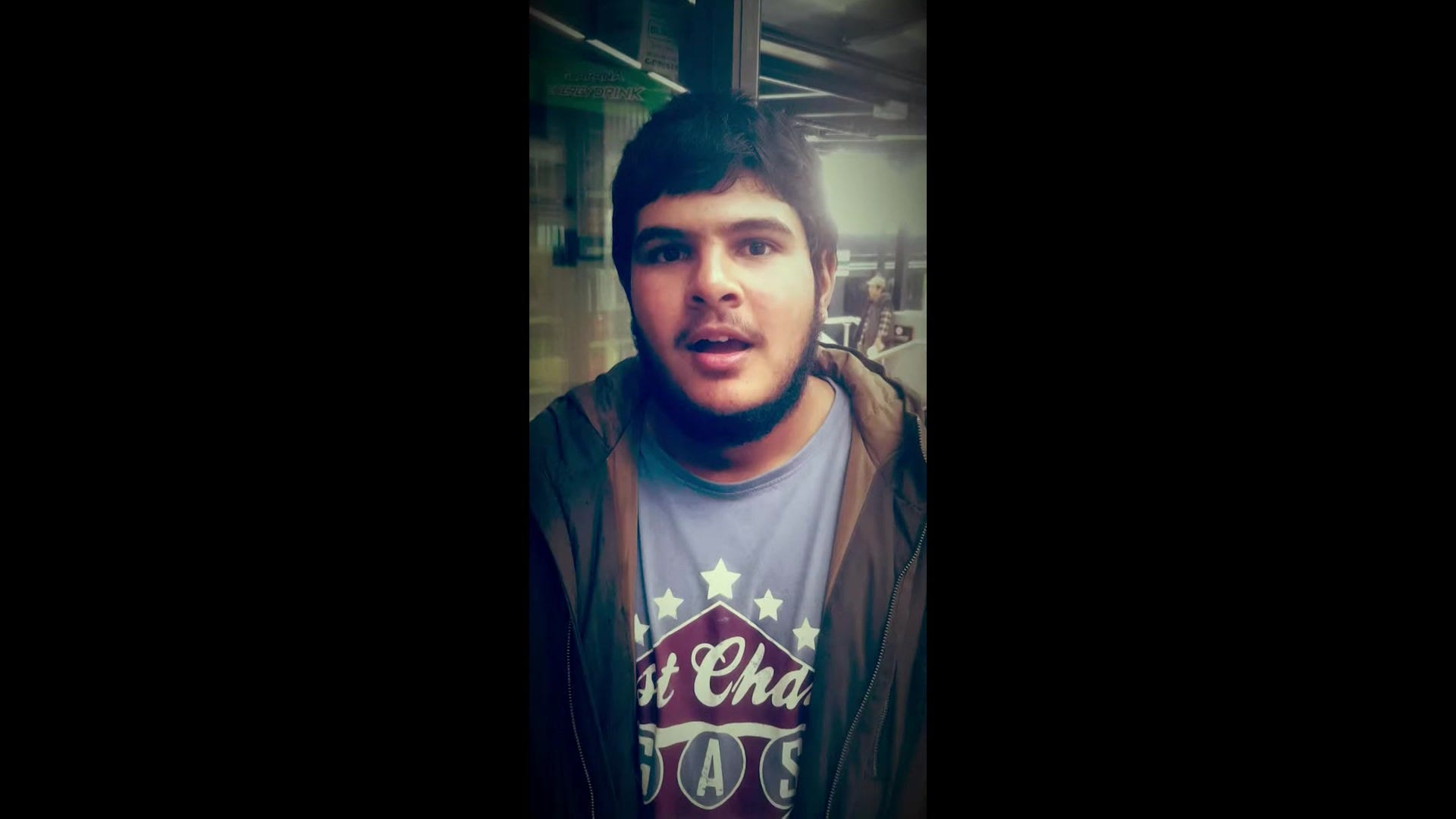
Although Akram’s associates were convicted on terror charges in 2021, two years after Akram and his father’s radicalisation was reported to authorities, the ASIO did not adequately review their 2019 assessment of Akram as a non-threat. Despite having intelligence from an undercover agent that Akram, a juvenile at the time, was radicalised, associating with a youth terror recruiter and an extremist found guilty of plotting terror attacks, the ASIO did not think that anything was amiss. Equipped with legally-acquired firearms, Akram and his father would then go on to travel overseas, get military-style training, and come back to commit the deadliest terror attack in Australia’s history.
“The suspect was known to authorities” is a phrase that Australians have become used to hearing in the aftermath of crimes like car thefts and home invasions. However, the phrase “the suspects were reported to authorities for being indoctrinated, associated with members of a terror cell, were affiliated with an extremist hate factory but still managed to legally acquire firearms and commit the deadliest terror attack Australia has seen” has no precedent.
The Aftermath: Optics over Accountability
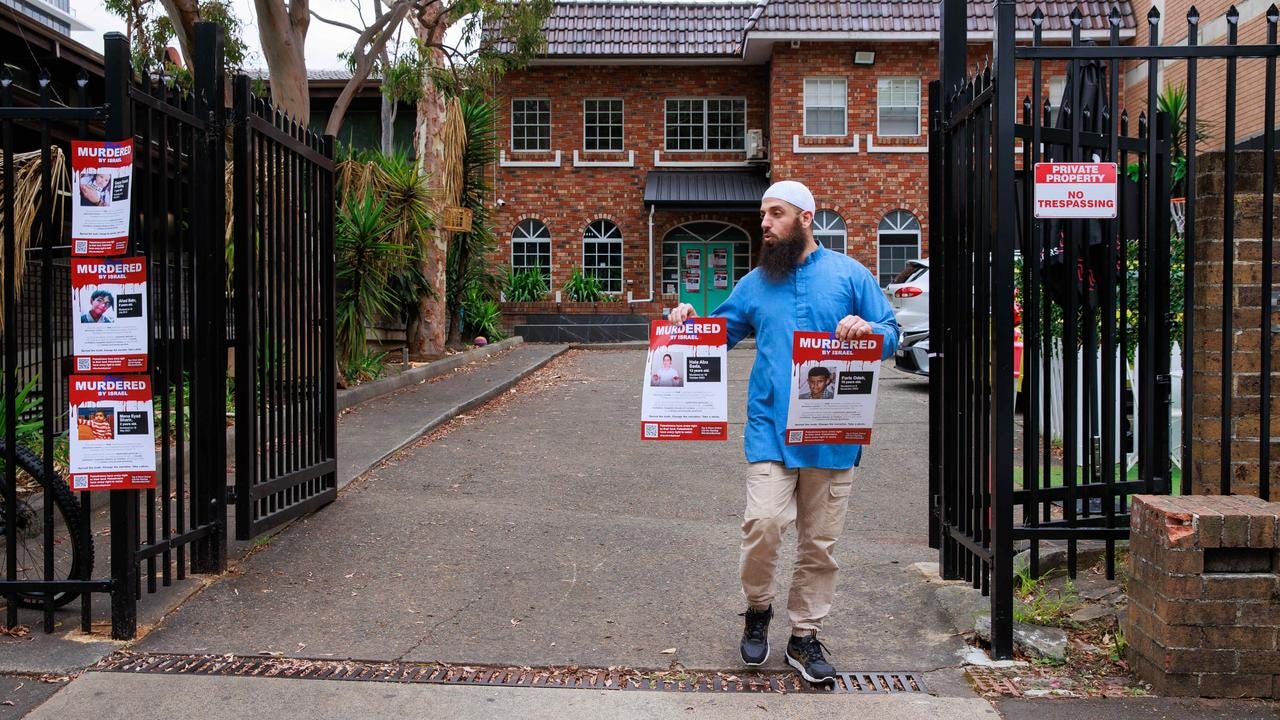
Following the Bondi massacre, the pro-IS Madina Dawah Centre, where Akram was a follower and street preacher, has been shut down. Likewise, Hizb ul-Tahrir, an extremist fundamentalist group, was banned under Australia’s new anti-hate laws. However, anyone familiar with the two organizations’ well-documented history of producing extremists and inciting violence can recognize these bans for what they are: PR management and a weak attempt at damage control.
If they were sincere in their efforts to neutralize violent extremism, authorities would not have waited for a horrific massacre to act against these organizations. Indeed, despite producing 2 convicted terrorists and having ties to terror cells and international extremist groups, the Madina Dawah Centre was allowed to operate, preach hate, and radicalize impressionable youth for years.
While the ASIO maintains that allowing the Centre to operate was an intelligence-gathering strategy, their stance, like most attempts at image management, does not hold water. It was their own undercover agent who, between 2016 and 2023, infiltrated the Dawah Center and warned the agency about the Akrams’ radicalisation. What good is an ‘intelligence-gathering’ strategy when you don’t act on the intelligence you’ve gathered?
Mass Surveillance: Neither Privacy nor Security
When it comes to surveilling, monitoring, and spying on its citizens, Australia is an outlier among western democracies. Equipped with draconian surveillance powers — mandatory ISP data retention, the ability to bypass encryption on devices, the ability to take over online accounts, police units to monitor potential extremists — Australian authorities have an unmatched advantage in identifying and neutralizing threats to national security. The tradeoff was simple: citizens lose privacy but get security in return.
The intelligence failure that led to the Bondi massacre has shown the security-for-privacy tradeoff to be deeply flawed. If draconian surveillance powers, intelligence from a firsthand source and infiltrator, and publicly accessible knowledge were not enough to prevent the deadliest terror attack on Australian soil, it is fair to say that mass surveillance was never about ensuring security. It was instead a pretext for police and government to expand control, justify budget increases, and pay themselves more.
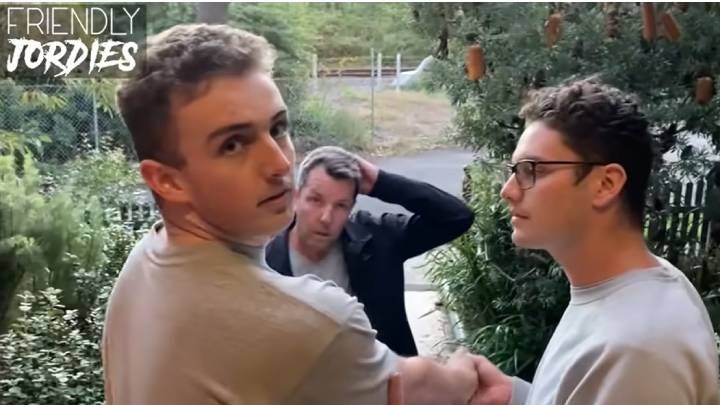
In an appalling act of political intimidation, comedian Friendlyjordies’ producer was arrested by NSW Police’s Fixated Persons Unit (a counterterrorism unit created to thwart lonewolf terrorists) only for all charges to be dropped. The juxtaposed image of counterterrorism arresting a YouTube comedian while simultaneously declaring radicalised Akram to be a “non-threat” speaks a thousand words. It is an image that echoes what Ben Franklin famously said 250 years ago: “Those who would give up essential Liberty, to purchase a little temporary Safety, deserve neither Liberty nor Safety.”